Back to the moon with Artemis
On July 21, 1969, Neil Armstrong became the first human to set foot on the moon. A few more lunar missions followed in the years that came after, but it has now been over half a century since we last returned. That is about to change. In the coming years, the Artemis program aims to send the first woman and the first person of color to the moon.
.jpg)
NASA began preparations for the new lunar program in 2011. Artemis owes its unique name to Greek mythology: Artemis is the goddess of the moon and the twin sister of Apollo, a reference to the original moon landings.
Why return to the moon?
NASA wants to return to the moon for:
- Scientific research
- Economic benefits, such as new jobs and technological innovation
- Inspiration for a new generation of explorers
NASA has selected 18 astronauts, half of whom are women and people of color are also represented.
Artemis is intended to be the start of a future in which we stay on the moon for longer periods. Perhaps even with permanent housing. The knowledge NASA gains from this is crucial for the next big step: crewed missions to Mars.
The roadmap
Artemis I: an uncrewed mission to the moon (completed)
This mission tested the Space Launch System (SLS rocket) and the Orion spacecraft. The launch took place successfully on November 16, 2022, from Kennedy Space Center in Florida. The uncrewed rocket flew to the moon, orbited it and landed back on Earth on December 11.
Artemis II: astronauts on board (completed)
Artemis II is similar to Artemis I, but this time four astronauts were on board: Reid Wiseman, Victor Glover, Christina Koch and Jeremy Hansen. Artemis II launched on the night of April 1 to 2, 2026, and landed safely in the Pacific Ocean off the coast of San Diego on the night of April 10 to 11, 2026. During the journey, the crew flew 406,773 kilometers from Earth. This is truly remarkable, as never before have humans traveled so far into space.
Artemis III: testing the lunar lander
During Artemis III, astronauts will fly into Earth's orbit. The Orion spacecraft will dock with the lunar lander there. NASA wants to test this technique first before we perform the same maneuver around the moon! This mission is scheduled for 2027.
Artemis IV: landing on the moon
During Artemis IV, two NASA astronauts will actually land on the moon. The other two crew members will remain in the Orion capsule. The mission is currently scheduled for 2028, although this date may still shift.
European astronauts will also join later Artemis flights.
The rocket, Orion, and the lunar lander
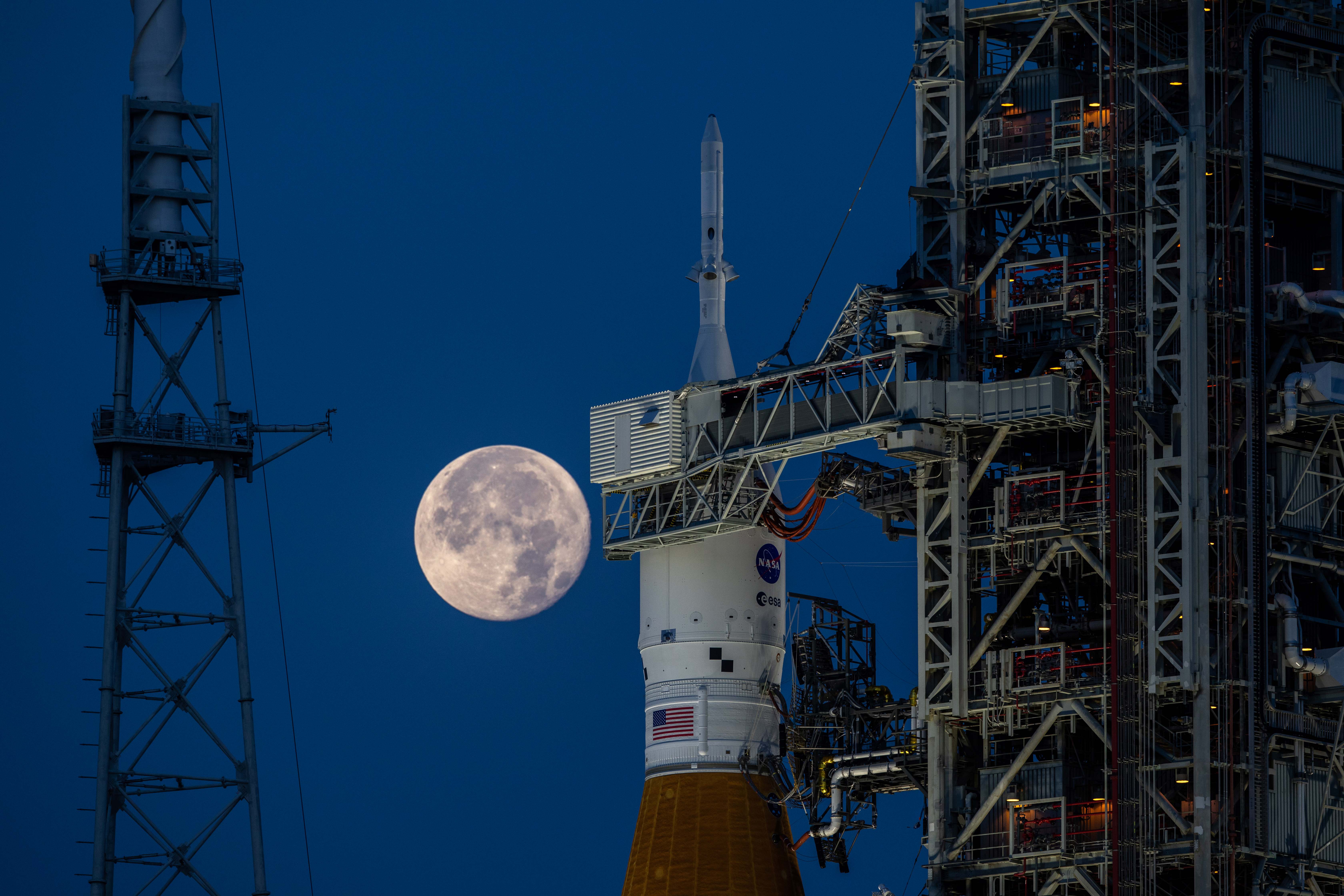
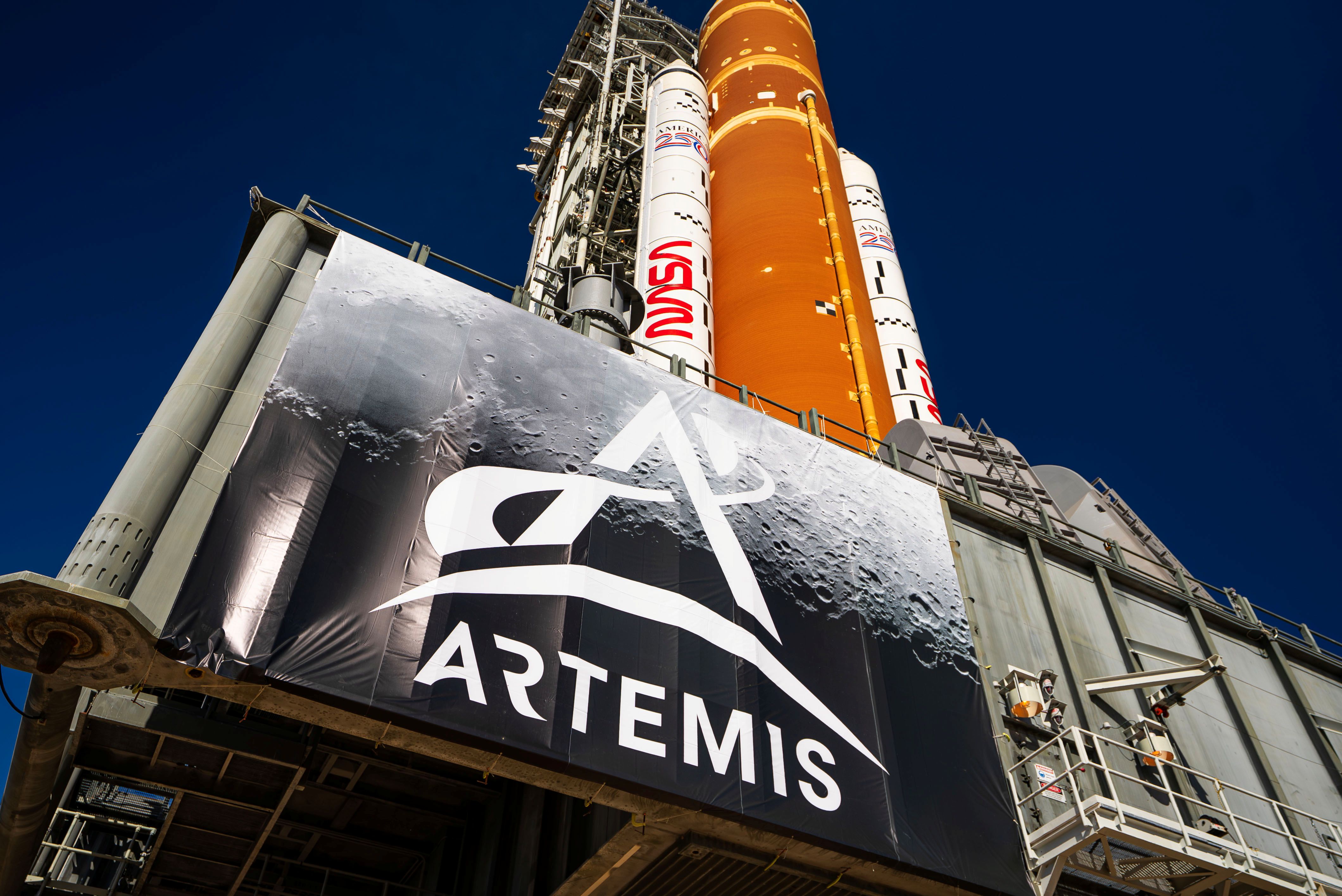
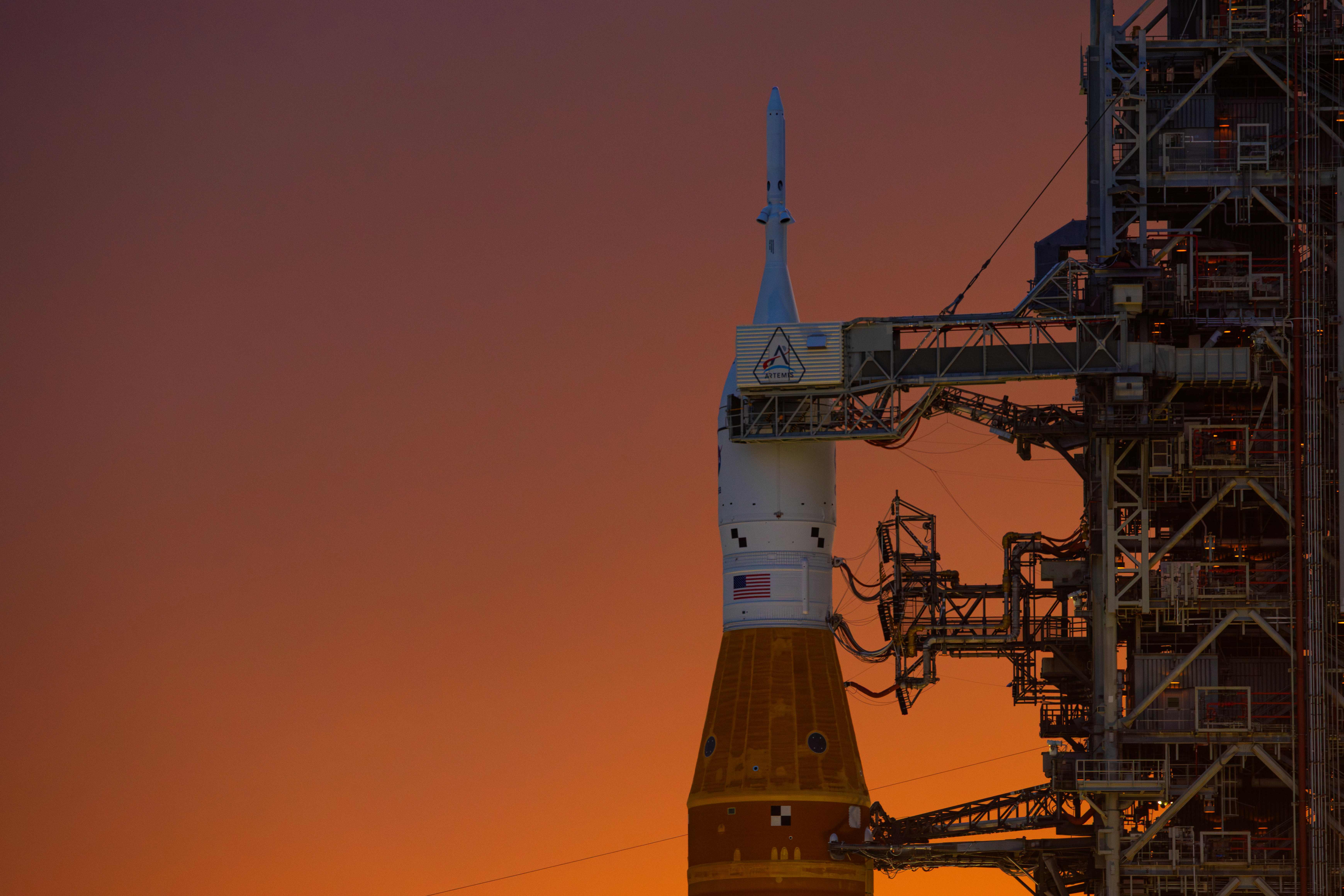
The Space Launch System (SLS) and Orion form the foundation for the first Artemis missions.
- The SLS is the most powerful launch vehicle ever developed. It stands 98 meters tall and can launch payloads of 130 tons. Developing the SLS cost between 24 and 30 billion dollars and each launch costs an additional 2 billion dollars.
- The Orion spacecraft is mounted on top of the SLS rocket. The capsule has room for four astronauts, who can stay in the capsule for 21 days without docking to another spacecraft. ESA built the service module (propulsion, power, and life support) for Orion.
.jpg)

in je inbox
Op de hoogte blijven van al het ruimtevaart nieuws?
Blijf op de hoogte van alles wat er speelt bij Space Expo. Ontvang het laatste nieuws, ontdek nieuwe tentoonstellingen en krijg als eerste updates over bijzondere activiteiten en evenementen. Zo haal je nog meer uit je volgende bezoek.

.jpg)

